
Stock Up Smart: Why Buying Ammo by the Case Saves You More
Ever wonder why shooters buy ammo by the .50 Cal Ammo for Sale case instead of just a box or two at a time? A case is simply a bulk crate of factory-packed ammunition, usually holding 500 to 1,000 rounds, and it works the same as any retail box—you just open each sealed carton and load your mags as needed. The real perk is that buying by the case drops your per-round cost and cuts down on range trips, so you can keep shooting without constantly restocking. Just store the whole case in a dry, cool spot, and it’ll stay fresh for years until you tear into the next box.
Why Buying Bulk Ammunition by the Case Saves You More Than Money
Buying ammo by the case isn’t just about the lower per-round price—it’s about banking range time and consistency that you’d otherwise lose to constant reordering. When you grab a case, you eliminate the “I’m almost out” panic that forces you to pay retail for whatever’s on the shelf, which often means switching lots and re-zeroing your optic. That stability lets you actually train through a full session without rationing, so your muscle memory builds faster than if you’re stretching a partial box. Shipping costs and hazmat fees get absorbed once per case, not per small order, and you skip the restocking hassle entirely. What you’re really buying is the freedom to shoot when you want, not when the budget lines up. For a practical shooter, that’s a savings that shows up in your groups, not just your wallet.

The Real Cost-Per-Round Difference Between Boxes and Full Cases
The real cost-per-round difference between boxes and full cases is driven by packaging and logistics, not just bulk pricing. A 20-round box of 9mm typically costs 50–60 cents per round, while a 1,000-round case often drops to 35–40 cents per round—a savings of 20–30%. This gap widens for premium calibers like .223 Remington, where case pricing can cut per-round costs by 40% versus individual boxes. The key is that manufacturers discount full cases to offset palletizing and shipping efficiencies, while boxes carry higher per-unit handling fees. Even with shipping costs included, a full case consistently beats buying equivalent loose boxes, especially when you factor in fewer transaction fees.
Buying full cases reduces cost-per-round by roughly 20–40% compared to individual boxes, making it the most direct way to lower your shooting budget.
How Case Purchases Reduce Per-Trip Range Fees and Time Wasted
Buying ammunition by the case directly slashes the number of trips you make to the range, which means you pay the entry fee or lane rental far less often. Instead of driving out every weekend with a couple of boxes, you consolidate your shooting sessions into fewer, longer outings that maximize your paid time on the line. Bulk case purchases reduce per-trip range fees by spreading the same round count across, say, four visits instead of twelve, instantly cutting your ancillary costs by two-thirds. You also eliminate the wasted hours spent packing, commuting, and checking in repeatedly. Those saved afternoons, once lost to logistics, become pure trigger time at the bench. One case keeps you shooting longer each session, so every dollar spent on entry covers meaningful practice, not just setup.
Hidden Savings: Shipping Costs, Hazmat Fees, and Price Per Unit
The real win in buying ammo by the case often hides in the checkout math. Shipping costs and hazmat fees are typically charged per order, not per box, so spreading that flat fee across 500 or 1,000 rounds slashes your per-carton overhead dramatically compared to five separate small orders. Likewise, price per unit 9.3x62mm Mauser Ammo for Sale drops as packaging and handling scale up—you’re paying for the bullets, not the repeated labor of boxing and labeling. That hazmat surcharge stings once but disappears when you consolidate, so waiting to stack a case order is usually worth it.
Q: How do shipping costs and hazmat fees actually change with 7mm Rem Mag Ammo for Sale a case purchase?
A: They stay mostly flat, so your cost per round falls the more you buy in one go—that’s the hidden savings you feel 6mm Remington Ammo for Sale in your pocket.

What to Check Before You Commit to a Full Case of Cartridges

Before committing to a full case, verify lot-number consistency across all boxes, as mixed lots within a case can shift point-of-impact. Check the case’s manufacturing date against your firearm’s chamber specs—especially for match or handload-grade ammo, where headspace tolerance matters. Confirm the primer sealant and bullet setback resistance by pressing a few rounds against a hard surface; if the projectile moves, the case is suspect. Also, weigh a sample of cartridges; extreme variance indicates powder-charge inconsistency. Finally, cycle a few rounds from the actual case through your magazine to ensure feed reliability, as bulk packaging can compress rims or deform tips.
A full case saves money only if every round matches your rifle’s preferred seating depth and pressure curve.
Lot Numbers and Headstamps: Ensuring Consistency Across 500 or 1,000 Rounds
When buying ammunition by the case, verifying the lot number consistency across all boxes is the first safeguard against point-of-impact shifts or pressure variations. A single case should carry one 9.3x72R Ammo for Sale identical lot number, ensuring every round was manufactured from the same primer, powder, and projectile batch. Headstamps must also match exactly—same caliber marking, same manufacturer code, and same crimp style—because mixed headstamps within a case indicate repackaged or reloaded stock that lacks ballistic uniformity. Even a visually identical headstamp can hide subtle case-wall thickness differences between production runs, so confirm the lot number rather than relying on appearance alone. For 500 or 1,000 rounds, check a sample from multiple boxes inside the case; if any box shows a different lot or headstamp, reject the case, as zeroing your rifle with inconsistent ammunition defeats the purpose of bulk purchasing.
Packaging Types: Loose-Fill Bags, Cardboard Trays, or Foam Inserts—What Matters
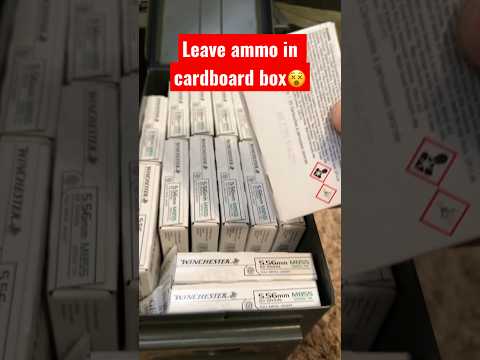
When buying a full case, packaging type directly dictates bullet protection during transit. Loose-fill bags let cartridges jostle, risking primer dents and bullet setback, especially under stacked weight. Cardboard trays—whether full moon clips or 50-round boxes—offer rigid, individual indexing, but check for crushed dividers or moisture stains before committing. Foam inserts provide the gold standard for shock absorption and friction-lock security, though they add bulk and cost. Avoid cases where loose rounds rattle freely; that movement causes case mouth damage. Open one box: trays should slide out smoothly, foam should hold each round snugly, and bags should be sealed tight without excessive free space.
Seal Integrity and Shelf Life: How to Inspect Cases for Long-Term Storage
Before stacking a full case away, check the factory crimp or sealant on each primer and the case mouth—any gaps specialty sports and supply let moisture creep in and shorten **ammo shelf life**. Inspect the case’s cardboard or plastic tray for crush damage, and feel the outer box for dampness or warping, which hints at prior humidity exposure. Shake the case gently: loose powder rattling inside individual rounds means broken seals, so set those aside. For long-term storage, prefer sealed military-style cans with desiccant packs, but even then, spot-check a few cartridges from the box’s corners—where condensation settles first—before resealing. If the case’s inner packaging feels brittle or smells musty, the rounds may already be compromised.
How to Match Case Quantities to Your Actual Shooting Volume
To match case quantities to your actual shooting volume, first calculate your average monthly round count by reviewing range logs or purchase history over several months, then multiply by 12 for an annual baseline. If you shoot 500 rounds monthly, a 1,000-round case every two months aligns with your pace, whereas a 5,000-round case would sit unused, risking moisture exposure and primer degradation. Consider your practice cadence—weekly shooters benefit from smaller cases ordered more often, while seasonal hunters might consolidate into one larger case before the season. Use your dry-fire and training drills count, not just live-fire, to gauge true consumption. Matching case quantities to actual volume means buying no more than a 3-month supply for steady shooters, or a single season for sporadic users, ensuring ammo by the case turns over before age-related misfires occur. Track your spend per range trip, then adjust case size upward only if you consistently run out before the next delivery.
Calculating Your Monthly Round Count for Practice, Competition, or Hunting
To calculate your monthly round count for ammo-by-the-case planning, start by logging your actual range sessions—not estimates. For practice, multiply weekly drills (e.g., 200 rounds per handgun session) by 4.3 weeks. For competition, review your last three match scorecards: average rounds per stage, plus 20% for malfunctions or reshoots, then multiply by match frequency per month. For hunting, count anticipated shots per outing (often 1–5) and add sight-in and cold-barrel verification rounds. Tracking your fired rounds over 90 days is the only reliable baseline for case sizing. Most shooters underestimate by 30% when they rely on memory rather than logs. Finally, sum practice, competition, and hunting totals, then divide by case quantity to determine how many cases you need per quarter.
- Review 90 days of written range logs for each discipline.
- Add a 10–15% buffer for drills, doubles, or follow-up shots.
- Multiply the weekly average by 4.3, then by 3 months for case math.
Choosing Between 250, 500, and 1,000-Round Cases Without Overstocking
Selecting between 250, 500, or 1,000-round cases requires matching the pack size to your measured monthly expenditure, not Ammunition for Sale your ideal training schedule. If you shoot roughly 100 rounds per session and visit the range twice monthly, a 250-round case covers exactly one month, preventing surplus that ties up cash. A 500-round case suits those firing 150–200 rounds weekly, giving a two-to-three-week buffer without creating a long-term storage burden. The 1,000-round option only makes sense when your documented volume exceeds 250 rounds per week, ensuring the case is consumed within six to eight weeks. Avoid overstocking by tracking your last three months of range visits—choose the case size that your recent average, not your ambition, justifies.
Caliber-Specific Considerations: When a Case of 9mm Differs From .308 or .22 LR
A case of 9mm typically represents a high-volume, low-recoil training staple, so buying by the thousand makes sense if you shoot weekly; your consumption is predictable and storage is compact. In contrast, .308 Win cases are heavier and more expensive, meaning a case of 500 may last a dedicated precision shooter several months; ordering more risks tying up capital in ammo that degrades slowly if stored poorly, so match your case count to confirmed range sessions, not hopeful practice. .22 LR, however, is a unique outlier: because it is cheap and often fired in bulk for plinking or competition, a case of 5,000 can vanish in a single season, yet the per-round cost savings of buying larger cases justifies the upfront spend. Your actual round count per gun, not the caliber’s reputation, should dictate case size, since a 9mm carbine can outpace a .22 pistol in monthly volume. Therefore, weigh caliber-specific case quantity ratios against your rifle’s mag capacity and match frequency, rather than assuming uniform case sizes fit every cartridge’s burn rate.
Practical Tips for Storing and Rotating Your Bulk Ammunition Supply
For ammo by the case, always store sealed cases off concrete — place them on pallets or shelving to prevent moisture wicking. Rotate your stock using a simple first-in, first-out (FIFO) system: mark the purchase date on each case with a permanent marker, then pull from the oldest case when you hit the range. Bulk ammunition should be kept in a climate-controlled area, ideally between 60–70°F, with silica gel desiccant packs tucked between cases to control humidity. Never break a factory seal until you’re ready to load mags—once opened, transfer the loose rounds into airtight ammo cans with a desiccant. Every six months, physically flip your stacked cases to redistribute primer compound and prevent powder settling. Inspect all case seams for corrosion or rust spots during rotation; discard any damaged boxes immediately. This discipline preserves primer reliability and ballistic consistency across your entire bulk reserve.
Ideal Environment: Temperature, Humidity, and Light Exposure for Sealed Cases
For sealed cases of ammo, your primary battle is against thermal cycling and moisture ingress, not light. Keep bulk cases in a space that hovers between 55–70°F; extreme heat degrades propellant over time, while freezing temperatures are less harmful but cause condensation issues. Humidity is the killer—maintain a **consistent 30–40% relative humidity** using desiccant packs or 7mm Rem Ultra Mag Ammo for Sale a dehumidifier, as excess moisture corrodes primers even inside sealed cans. Light exposure matters far less, but UV rays can degrade polymer ammo cans; store them in a dark closet or cover them with an opaque tarp to prevent long-term material fatigue. A silicone-based grease on the case gasket adds a final sealing layer. Question: What temperature range is safest for sealed ammo cases? Keep them below 70°F, and always let a case warm to room temperature before opening to prevent condensation from forming on cold rounds.
First-In-First-Out Rotation: How to Track Multiple Cases and Avoid Old Ammo
When you buy ammo by the case, First-In-First-Out rotation becomes your shield against stale stock that can develop pressure issues or primer failures. Label every case with a permanent marker—date of purchase, lot number, and caliber—then stack them so the newest cases sit behind older ones. Keep a simple index card or notes app log that lists each case’s position, so you never have to guess which box to crack open next. Pull from the front, restock from the back, and always transfer loose ammo from an older case into your range bag before touching a newer one. *If you buy multiple cases of the same caliber in one month, write the month and day on the case lid, not just the year, because two lots stored side by side can easily blur together.* Every time you shoot, force yourself to grab the oldest case’s ammo first—even if it’s slightly less convenient than the shiny new box on top.
Track each case by label and log, stack newest behind oldest, and always shoot from the front—this rhythm guarantees every round gets used before it ages out.

Split-Case Strategies: Keeping Half for Range Trips and Half Reserved for Emergencies
When buying ammo by the case, a practical split-case strategy divides your purchase at the moment of storage. Immediately separate the case into two halves: one for routine range trips and one for emergencies. The range half is accessed first, allowing you to rotate through it during regular practice sessions. The reserved half stays sealed in a labeled, climate-controlled container, untouched unless a genuine shortage or defensive need arises. To maintain freshness, use the range half first, then break into the emergency reserve only after the range stock is depleted, and immediately replace the reserve on your next case order. This prevents accidental overuse and guarantees a functional buffer.
- Open the case and count rounds, dividing them into two equal batches.
- Label the emergency batch with the purchase date and place it in a sealed, moisture-proof ammo can.
- Use only the range batch for practice, tracking depletion so you know when to tap the reserve.
Common Mistakes Shooters Make When Ordering Ammunition by the Case
When buying ammo by the case, the biggest error is ignoring lot numbers, assuming every box inside is identical—recoil and accuracy can shift between production runs. Another common mistake is miscalculating shipping weight, turning a “deal” into a freight nightmare. Many shooters also skip checking the case’s seal or packaging integrity, only to discover corroded rounds later. A critical slip is ordering based solely on price per round without verifying the bullet grain matches your firearm’s twist rate—this wastes an entire case at the range. Finally, failing to stagger your orders means you’re stuck with one lot, so if it’s defective, you lose the full investment. **Common mistakes 9mm Ammo for Sale shooters make when ordering ammunition by the case** boil down to haste. Slow down, verify the specs, and protect your bulk purchase. These mistakes when ordering ammo by the case are all avoidable with a quick checklist.
Overlooking Bullet Weight or Grain Variation Within Same-SKU Cases
When you order ammo by the case, the SKU promises uniformity, but grain variation within same-SKU cases can quietly sabotage your zero. Manufacturers sometimes swap projectiles—say, a 115-grain to a 124-grain load—due to 9×18 Makarov Ammo for Sale component shortages, yet the box label stays identical. If you blindly burn through the case without checking headstamps or weighing a few rounds, your point of impact shifts, and you’ll chase phantom fliers at the range. For competition or defense, this inconsistency is a silent killer of accuracy. Always crack a case and verify the bullet weight before committing to a bulk purchase.
Ignoring grain variation within a same-SKU case means risking inconsistent ballistics and wasted practice—verify your bullets before trusting the box.
Ignoring the Shelf Life of Factory Loads vs. Remanufactured Rounds in Bulk
When you order a case, ignoring how long those rounds were already sitting before you bought them is a classic blunder. Factory loads typically ship fresh, with sealed primers and neck tension that preserve reliable ignition for years, assuming you store them cool and dry. Remanufactured rounds are the wildcard—they often use once-fired brass that’s been cleaned, resized, and reloaded, but that process can’t restore a case’s original fatigue or primer pocket tension. A bulk lot of remans might have been assembled months ago, and if the supplier didn’t rotate stock, you’ll get deteriorating crimps or loose primers that fail on the range. Meanwhile, factory ammo’s shelf life is predictable, so you can safely buy a decade’s worth. Remans, though—buy only what you’ll shoot within a year, and always check the headstamp’s lot date before committing to a case.
How to Verify Case Counts and Return Policies Before Clicking Buy
Before committing to ammo by the case, confirm the exact round count in the product title versus the item description—a “500-round case” might actually ship as four 125-round boxes. Scrutinize the fine print for “may ship in multiple packages” or “count varies by lot.” Next, test the return policy by emailing customer service a hypothetical question about a damaged seal or a miscount. Ensure the policy covers unopened, factory-sealed cases only, and check if you pay restocking or return shipping fees. Verifying case counts and return policies upfront prevents costly, non-refundable surprises.
- Cross-check the SKU against the manufacturer’s official case count.
- Call the retailer to confirm the count if the listing is ambiguous.
- Ask if returns are accepted for overcharges or under-deliveries.
- Request a written policy summary via email before checkout.